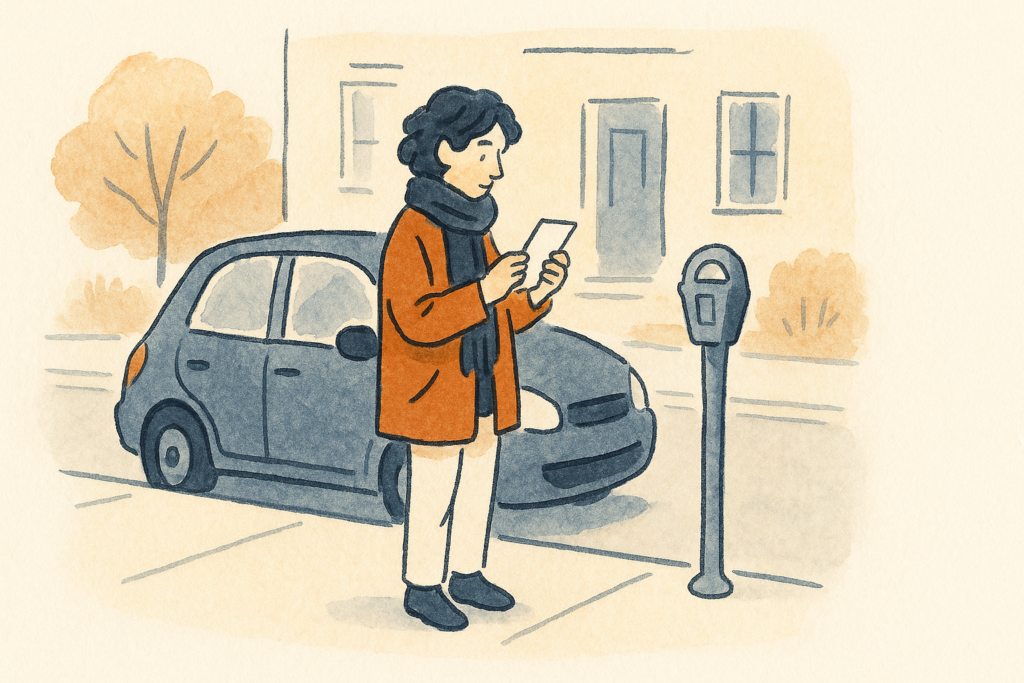
Finding a bright envelope tucked under your windshield wiper is a small gut punch. The good news is that a lot of tickets are beatable, and learning how to fight a parking ticket takes less time than you might think. Plenty of citations get written with a mistake on them, and in most places you can challenge one by mail or online without ever setting foot in a courtroom. Here’s the plain truth: you often have a real shot at getting the fine reduced or thrown out, and in most cities you lose nothing by trying.
This guide walks you through when it’s worth contesting, what to look for, how to build your case, and the exact steps most cities follow. None of it requires a lawyer.
Should you even bother?
Usually, yes. In most jurisdictions, challenging a parking citation does not raise the fine or add any penalty if you lose. You simply pay the original amount you would have owed anyway. That means the downside is mostly your time.
The upside can be real. People who contest their own tickets win a meaningful share of the time, often because the citation has an error or the officer does not show up to defend it. You have very little to lose and a fair amount to gain.
The one thing that will sink you is waiting too long. Most cities give you a short window, commonly 21 to 30 days from the date on the ticket, to dispute it before late fees pile on and your right to a hearing slips away. So decide quickly, then act.
Read the ticket first, line by line
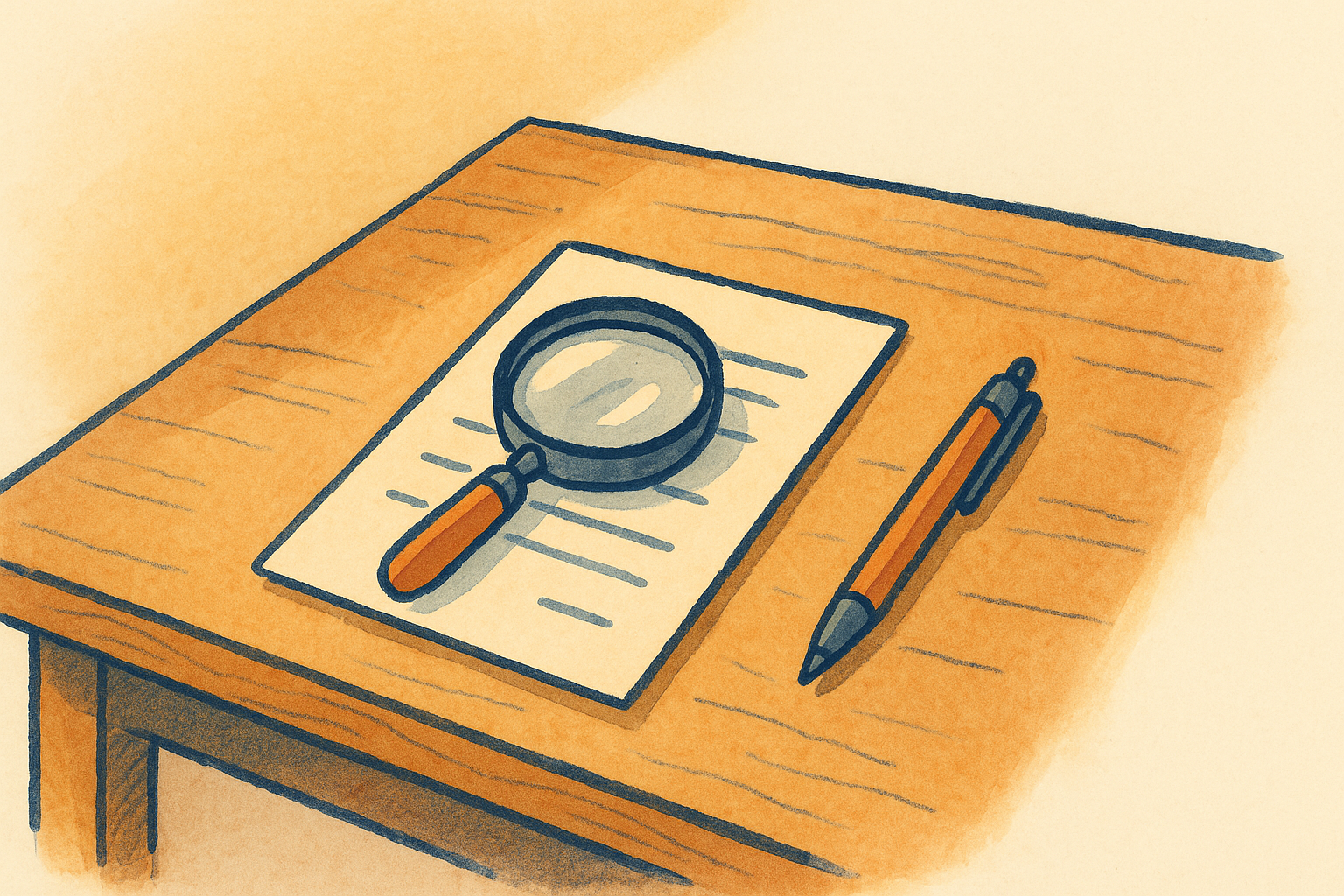
Before you argue anything, become a detective about the citation itself. A surprising number of tickets contain a mistake, and a serious enough error can make the whole thing invalid. When you’re figuring out how to fight a parking ticket, this is the single highest value step.
Check every detail against reality:
- The license plate number, vehicle make, model, and color. If the officer wrote down the wrong car, the ticket may not stick.
- The date, time, and exact location of the supposed violation.
- The specific code or rule you allegedly broke.
- Whether the officer legibly printed and signed their name and badge information.
Small typos alone will not always win, but a wrong plate, a wrong location, or a missing signature can be the kind of flaw that gets a citation dismissed. Read it slowly. The mistake that saves you is easy to skim right past.
Gather your evidence
A calm, well documented case beats an angry one every time. The best evidence in parking disputes is almost always photos, so go back to where you were parked if you can and start shooting.
Capture the things that tell your side of the story:
- Any signs near your spot, especially ones that are missing, faded, turned the wrong way, blocked by a tree, or confusing.
- Your car’s actual position relative to curbs, hydrants, driveways, and markings.
- A broken or malfunctioning meter, including its screen.
- Any receipt, permit, or pay by phone confirmation showing you paid.
Make sure your photos carry a time stamp so nobody can question when you took them. Written proof helps too. A repair invoice showing your car was in the shop, or a receipt placing you elsewhere, can quietly demolish a ticket.
How to fight a parking ticket in three steps
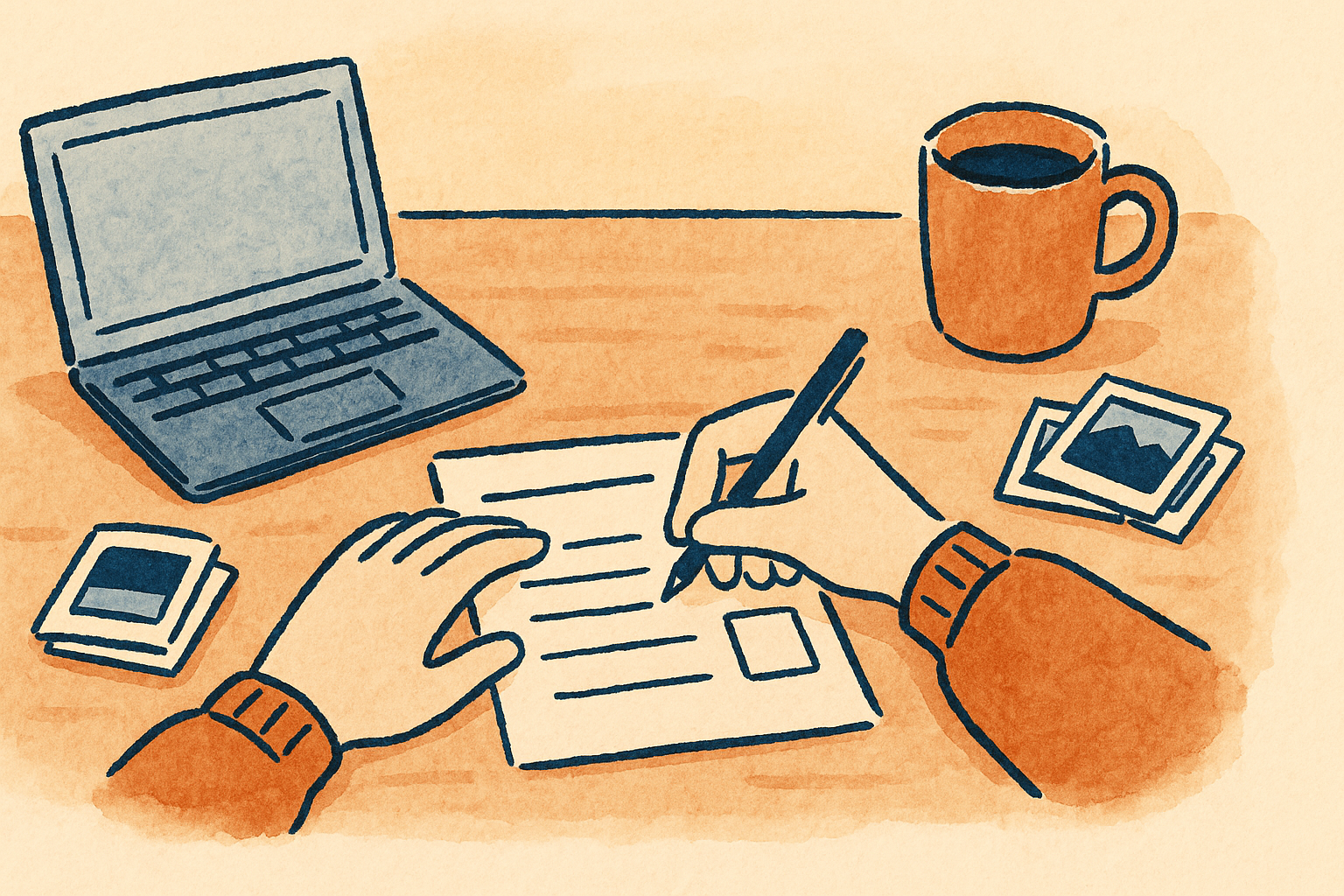
Most cities use a two stage process, and you usually do not need to appear in person for the first round. Follow the instructions printed on your ticket, because the details differ from place to place, but the shape is almost always the same.
Step one is the initial review. You submit your dispute in writing, by mail or through the city’s website, along with your photos and any documents. A staff member looks at whether the citation was validly issued. Many tickets get dismissed right here, especially when there’s a clear error or strong evidence.
Step two is an administrative hearing. If the review does not go your way, you can ask for a hearing before a hearing officer. This can happen by mail, by phone, or in person depending on the city. It’s informal. There’s usually no jury, just you explaining your side and showing your evidence.
Step three, if you still lose, is an appeal to the local court. Most people never get this far, and a small filing fee often applies, but the option exists if you feel strongly that you were wronged.
When you write your statement, keep it short and factual. State what happened, point to your evidence, and stop. A tidy paragraph that says the sign was hidden behind an overgrown branch, with a photo attached, lands far better than three pages of frustration.
A real world example
Say you park on a Tuesday morning and come back to a ticket for parking in a street sweeping zone. You’re annoyed, because you never saw a sign.
Instead of just paying, you walk the block. The street sweeping sign is there, but it’s twisted sideways and half hidden by a leafy tree branch, unreadable from any normal parking spot. You take four clear photos with the time stamp on, including one from your car’s window showing the sign was not visible.
You submit those photos with a two sentence explanation during the initial review. The reviewer agrees the sign was not reasonably visible and dismisses the citation. Total cost to you: about twenty minutes and a short walk. That’s how these cases usually get won, not with clever legal arguments but with simple proof that something was off.
Common mistakes to avoid
Even a strong case can fall apart over an avoidable error. Watch out for these:
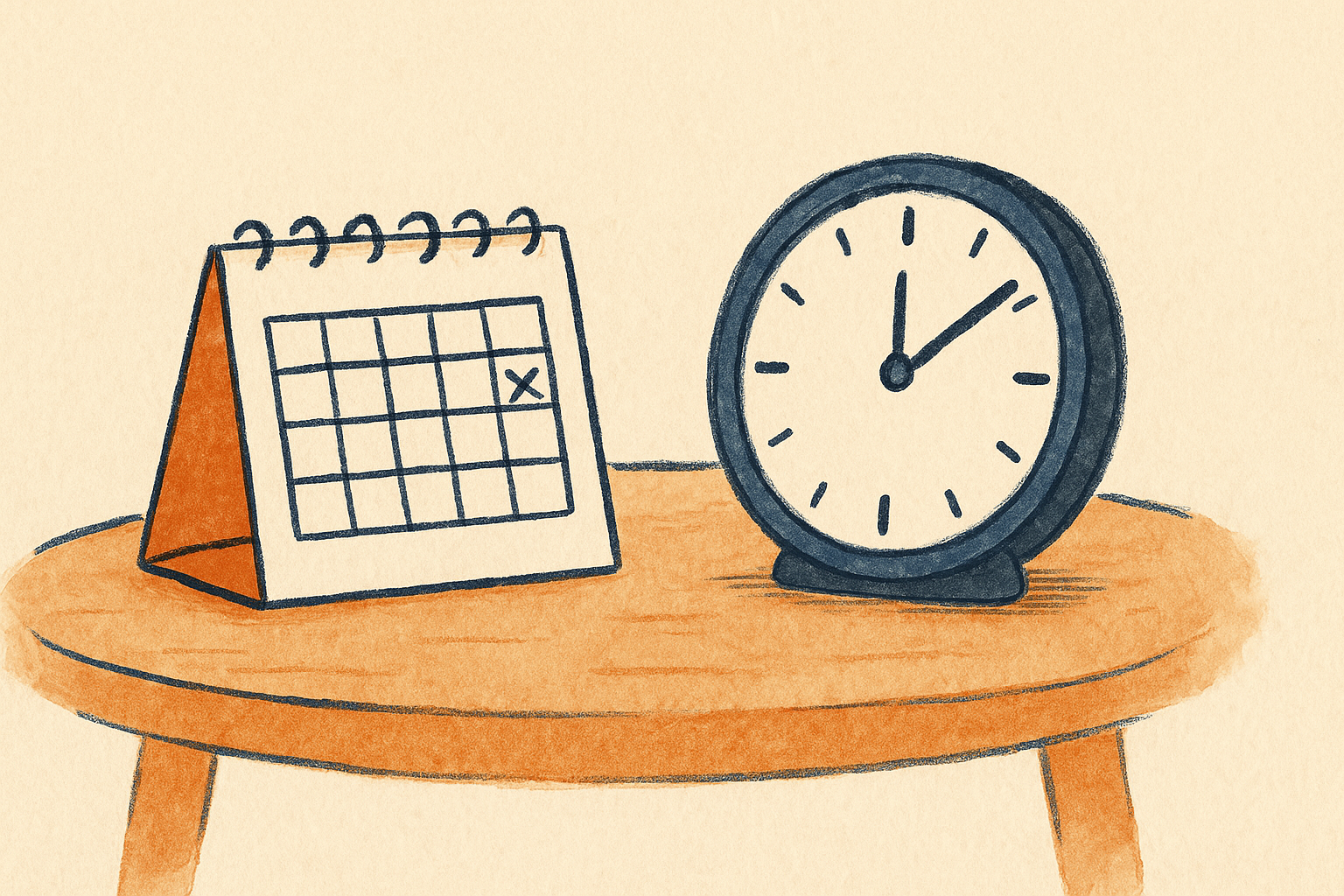
- Missing the deadline. This is the number one reason people lose. Once your window closes, your defense is usually gone no matter how good it was.
- Ignoring the ticket entirely. Unpaid parking fines tend to grow, and they can lead to late penalties, collections, a hold on your registration, or even a booted car.
- Writing an emotional rant. Hearing officers read hundreds of these. Stick to facts and evidence, not how unfair the whole thing feels.
- Bringing no proof. Your word against the officer’s rarely wins. Photos and documents are what move the needle.
- Using excuses that are not defenses. “I was only gone five minutes” or “I didn’t know” almost never works. A wrong fact on the ticket or a hidden sign does.
Does a parking ticket hurt your license or insurance?
Here’s a bit of relief. A parking ticket is not a moving violation, so it does not put points on your license and it does not show up on your driving record. On its own, it should not raise your car insurance rates either.
There’s one catch worth knowing. If you ignore a ticket and let it go to collections, that unpaid debt can eventually touch your credit, and weaker credit can raise your insurance costs in some states down the road. So even a ticket you plan to fight should never be simply ignored. Dispute it or pay it, but do not let it sit.
Key takeaways
- Contesting a ticket usually carries no extra penalty if you lose, so it’s often worth a try.
- Act fast. You typically have 21 to 30 days to dispute before late fees and lost rights kick in.
- Read the citation carefully. A wrong plate, wrong location, or missing signature can get it dismissed.
- Photos with a time stamp are your best evidence, especially of missing or hidden signs.
- Most cities offer an initial review, then a hearing, then a court appeal.
- Parking tickets do not add license points, but never leave one unpaid and unchallenged.
Frequently asked questions
How long do I have to fight a parking ticket?
It varies by city, but you usually get somewhere between 21 and 30 days from the date the ticket was issued. The exact deadline is printed on the citation, so check it the day you get it and mark your calendar.
Can I fight a parking ticket without going to court?
In most cases, yes. The first stage is a written review you can do by mail or online. You only reach a hearing if that review is denied, and even then many hearings happen by mail or phone. A courtroom is the last resort, not the first step.
What are the best reasons to contest a ticket?
The strongest arguments are factual: the ticket lists the wrong vehicle or plate, the location or time is wrong, a sign was missing or unreadable, the meter was broken, or you had a valid permit or paid receipt. Errors on the citation itself tend to work far better than excuses.
Will fighting a ticket cost me more if I lose?
In most places, no. If your dispute is denied, you generally just pay the original fine. The main exception is if you appeal all the way to court, where a small filing fee may apply. Always confirm the rules for your city before you start.
What happens if I just ignore it?
Ignoring a parking ticket is the worst option. The fine usually grows with late penalties, and unpaid tickets can lead to collections, a registration hold, or a booted or towed vehicle. If you don’t want to fight it, at least pay it on time.
The bottom line
Knowing how to fight a parking ticket comes down to a few simple habits. A citation can feel like a done deal, but it often isn’t. Read it closely, take a few good photos, and file your dispute before the deadline. Whether you win or simply pay, you’ll do it on your own terms and with your eyes open.
This article is general information only and is not legal advice. Reading it does not create an attorney client relationship. Parking rules, deadlines, and procedures vary widely by city and state, and they change over time. For guidance on your specific situation, please consult a licensed attorney or your local parking authority.