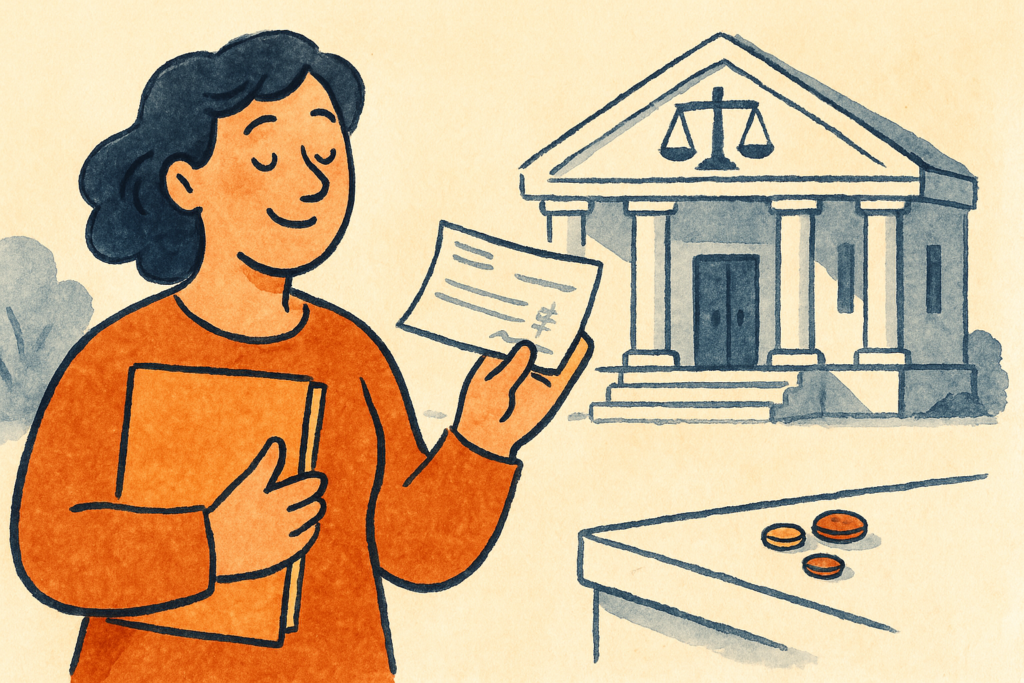
You did the hard part. You filed the paperwork, showed up to court, told your side, and the judge sided with you. On the drive home you pictured a check in the mail within a week or two. Then the weeks go by, and your mailbox stays empty.
Here’s the part nobody warns you about. A judgment is a piece of paper that says the other person owes you money. It is not the money itself. The court won’t chase them down for you or pull cash out of their account. That job falls to you, and it’s the reason so many people win their case and still never see a dime.
The good news is that you have real tools once you’re holding that judgment. Knowing how to collect a small claims judgment is mostly about using the right tool in the right order. What follows is the plain version, from the easy first move to the heavier steps that put pressure on someone who’s ignoring you.
Winning in court doesn’t mean getting paid
When the judge rules in your favor, you become what the courts call a judgment creditor. The person who owes you is the judgment debtor. That title gives you the legal right to collect, but it doesn’t come with a collections department.
Most courts hand you a judgment and a stack of self help forms and send you on your way. Some debtors pay right away because they’d rather not deal with the hassle. Plenty of others wait to see if you’ll actually do anything. The law usually gives you years to collect, so time is on your side, but the effort is on you.
One thing worth doing before you spend a dollar chasing anyone: figure out whether they have money or income worth going after. A person with a steady job or a bank account is collectible. Someone with no job, no assets, and no property may be what collectors bluntly call judgment proof, meaning there’s nothing to take even though you’re clearly owed. Be honest with yourself about that early. If you’re weighing whether the fight is worth it at all, our guide on hiring a lawyer for small claims court walks through the math.
Start by simply asking to be paid
Before you involve a sheriff or head back to the courthouse, send a short, firm letter. Tell the debtor you have a judgment, state the amount, and give them a clear deadline and an easy way to pay. Keep a copy, and send it in a way that proves it arrived.
Sometimes that’s all it takes. A lot of people ignore a lawsuit but pay up once they realize a judge has ruled and the next steps could reach their paycheck or bank account. Offering a payment plan can help too, since some money coming in every month beats a long fight over nothing.
If they still won’t pay, don’t take it personally and don’t give up. You just move on to the tools that don’t need their cooperation.
Make the debtor tell you what they have
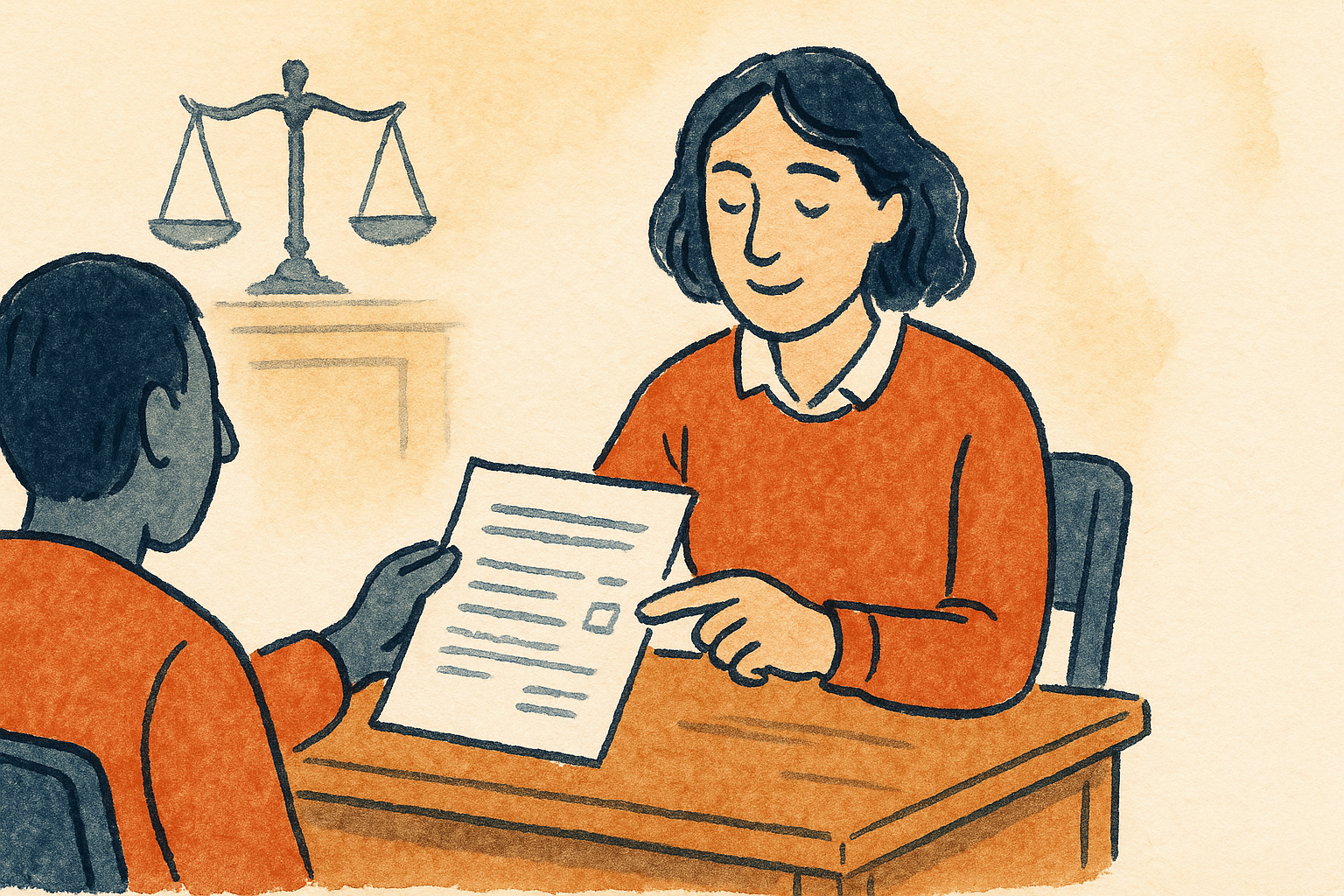
You can’t garnish a paycheck or levy an account you can’t find. That’s exactly what a debtor’s examination is for. It goes by different names in different places, like a judgment debtor exam, an order to appear, or a debtor’s hearing, but the idea is the same everywhere.
You ask the court to order the debtor to show up and answer questions under oath about where they work, what they earn, what they own, and where they bank. In many places they also have to bring a form or documents listing their assets. This is the single step most people skip, and it’s usually the one that unlocks everything else.
Skipping the court date carries real consequences for them. If the debtor is ordered to appear and doesn’t, the judge can hold them in contempt and, in some states, issue a bench warrant. That pressure alone is enough to make some people finally reach for their checkbook.

How to collect a small claims judgment from wages and bank accounts
That’s the heart of how to collect a small claims judgment: find the money first, then use a court order to reach it. Once you know where the money lives, two tools do most of the heavy lifting.
The first is wage garnishment. You ask the court for an order, usually called a writ, and hand it to the local sheriff or marshal, who arranges for a slice of the debtor’s paycheck to come to you until the debt is paid off. Federal law caps how much can be taken, generally no more than 25 percent of a person’s disposable earnings, and some income is fully protected. The U.S. Department of Labor explains the federal limits in plain terms, and our own plain English piece on how wage garnishment works covers what counts as protected income.
The second is a bank levy, sometimes called attaching or freezing an account. With the account details you got from the debtor’s exam, the sheriff can freeze the account and pull out what’s owed, up to the balance. Certain funds are off limits by law, including Social Security, most retirement money, and other public benefits, so a levy works best on an ordinary checking or savings account.
Both of these usually run through a sheriff or marshal rather than you directly, and there are small fees to get them started. The upside is that you can often add those allowed costs, plus the interest your judgment earns, on top of the original amount.
Putting a lien on what they own
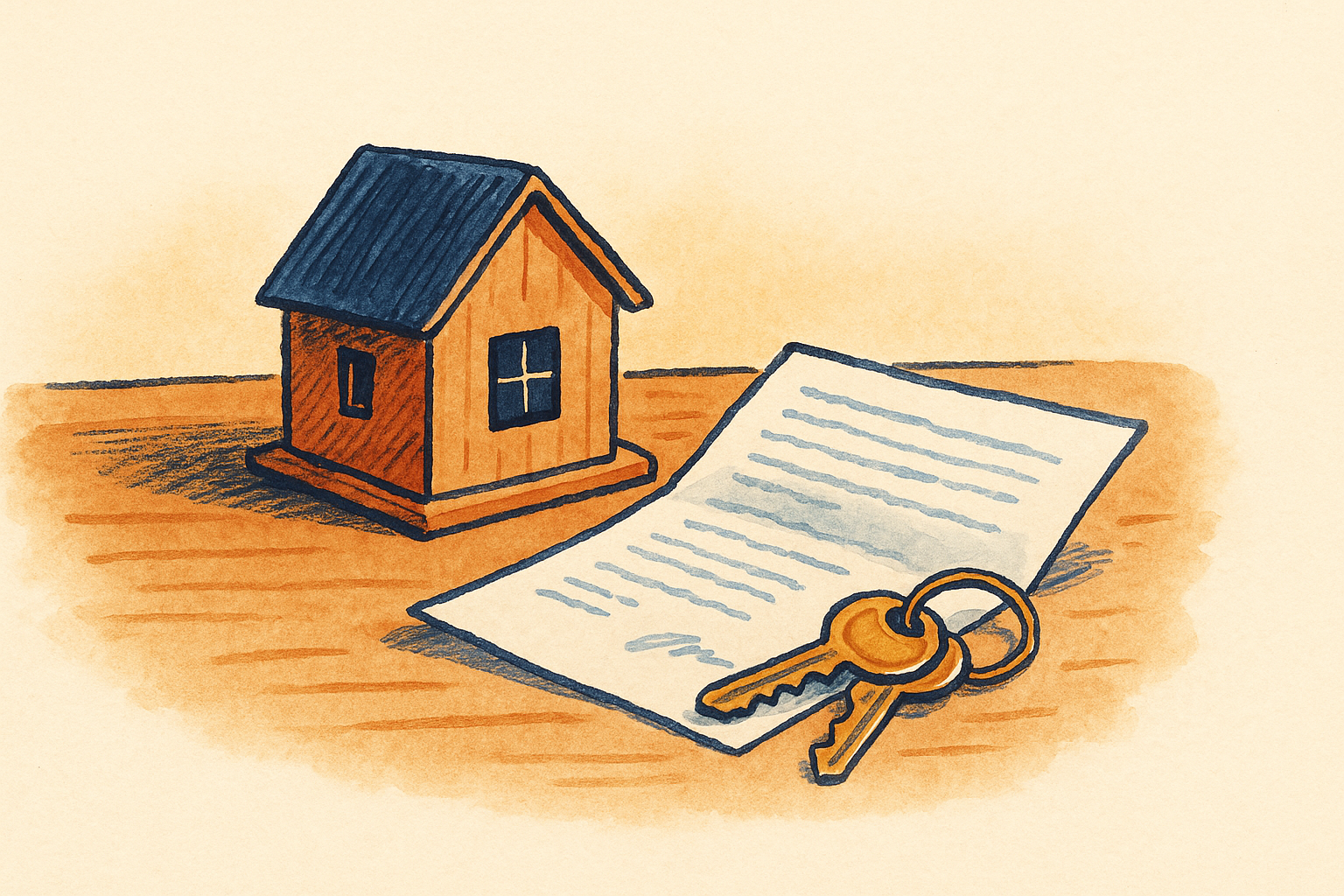
If the debtor owns real estate, you can attach a lien to it. First you get a document from the court clerk that summarizes what you’re owed, often called an abstract of judgment. You record that in the county where the property sits, and it becomes a claim against the home or land.
A lien is patient money. The debtor usually can’t sell or refinance the property without clearing what they owe you first, so even if you don’t see cash today, you may get paid when they eventually sell. For a larger judgment, a property lien is often the strongest card you hold.
Some states also let a sheriff seize and sell other valuable property, like a vehicle that isn’t protected. That’s less common for smaller amounts, but it’s another option when someone clearly has assets and just refuses to pay.
A real example of how this plays out
Say Marcus won a judgment of about $4,200 against a contractor who took his deposit and never finished the work. For six weeks, nothing. Marcus sent one clear letter with a firm deadline, and still nothing came.
So he asked the court for a debtor’s exam. The contractor, not wanting a bench warrant, showed up and had to name his bank and admit he still ran his business out of a company account. Marcus took that account information, got a levy through the sheriff, and the frozen account covered most of what he was owed. A small garnishment on the contractor’s part time job cleaned up the rest a few months later.
Marcus didn’t get paid because he won. He got paid because he kept going after he won.
Common mistakes people make
- Waiting too long. Judgments don’t last forever. They’re valid for years and can usually be renewed, but if you let one expire without renewing it, you can lose the right to collect.
- Never doing a debtor’s exam. People guess where someone banks or works instead of making them say it under oath, then wonder why the levy came back empty.
- Trying to grab protected money. Garnishing exempt income or levying a Social Security account gets reversed and wastes your fees.
- Forgetting interest and costs. Your judgment earns interest and you can usually add your allowed collection costs, so don’t settle for only the original number.
- Acting like a debt collector. You may use the court’s tools, but harassing or threatening the debtor can land you in trouble. Let the sheriff do the collecting.
Key takeaways
- A judgment is your right to collect, not a payment. The work is yours to do.
- Ask first with a firm letter, then use the court’s tools if they refuse.
- A debtor’s exam is the step that unlocks garnishment and levies, so don’t skip it.
- Wage garnishment, bank levies, and property liens are your main options.
- You have years to collect and can usually renew, but don’t wait until the clock runs out.
Frequently asked questions
How long do I have to collect a small claims judgment?
It depends on your state, but judgments commonly stay valid for several years, often ten, and you can usually renew them before they expire. Check your local court’s rules so you don’t lose the right to collect while you’re waiting the debtor out.
Does the court collect the money for me?
No. The court decides who owes what. Collecting is up to you, though a sheriff or marshal carries out the garnishments and levies once you set them up and pay the fees.
What if the debtor has no job and no money?
Then they may be judgment proof for now. You can keep the judgment alive and try again later if things change, since people get jobs, open accounts, and buy property over time.
Can I add interest to what I’m owed?
Usually yes. A judgment earns interest at a rate your state sets, and you can typically add your allowed collection costs on top. So the amount you actually collect can end up larger than the original judgment.
Do I need a lawyer to collect?
Often no, especially for smaller amounts, since court self help centers will walk you through the forms for free. For a large judgment or a debtor who hides assets, a collection attorney may be worth the cost. If you’re still deciding whether to file in the first place, start with our guide on how to sue in small claims court.
The bottom line
Winning felt good, but collecting is what actually puts money back in your pocket. Take it one step at a time, use the tools the court hands you, and stay patient. The people who get paid are almost always the ones who keep going after everyone else would have quit.
This article is general information, not legal advice, and reading it doesn’t create an attorney client relationship. Collection rules, exemption amounts, and time limits vary quite a bit from state to state. Before you act, check your own court’s self help resources or talk with a licensed attorney in your state about your specific situation.