
Life changes fast. A job offer across the country, a breakup, a landlord who won’t fix the heat, and suddenly the apartment you signed for feels like a trap. Here’s the good news: you can often get out, and you may owe far less than you fear. Learning how to break a lease legally is mostly about knowing your rights, giving proper notice, and understanding one rule that saves tenants the most money, your landlord’s duty to try to fill the place again.
Is a lease really binding?
Yes. A lease is a contract, and when you sign it you’re promising to pay rent for the whole term. But breaking it early doesn’t mean you automatically owe every remaining dollar. In most cases you owe rent only until your landlord finds someone new or the lease ends, whichever comes first. And in certain situations the law lets you walk away with little or no penalty at all.
So before you panic about a whole year of rent, slow down. What you actually owe comes down to three things: your reason for leaving, what your lease says, and the law in your state.

When you can break a lease legally
There are a handful of situations where the law is squarely on your side. In these cases you can usually break a lease legally by giving written notice and, where the law asks for it, a little proof.
- You’re called to active military duty. A federal law, the Servicemembers Civil Relief Act, lets service members end a lease after they receive orders for active duty or a permanent change of station. You give your landlord written notice and a copy of your orders, and your lease usually ends about 30 days after your next rent is due.
- You or someone in your home is a victim of domestic violence. Most states let survivors leave early with written notice plus documentation, such as a protective order or a police report.
- Your home isn’t safe or livable. If your landlord won’t fix a serious problem like no heat, no running water, or a dangerous mold issue, a court may find you were “constructively evicted.” That’s a legal way of saying the place became unlivable, so you’re no longer on the hook for the rent.
- Your landlord broke the law. In some states, repeated illegal entry, harassment, or shutting off your utilities gives you grounds to leave.
- You have a serious health issue. A few states let older or seriously ill tenants end a lease early with a doctor’s letter, sometimes capping what you owe at a month or two of rent.
One important catch: apart from military orders, these rights vary a lot from state to state. Always check your own state’s rules before you count on one of them.
Check your lease for an early termination clause
Before you dig into legal grounds, read your lease. Many leases include an early termination clause, sometimes called a buyout. It spells out exactly how to leave early and what it costs, often the equivalent of two to three months of rent plus proper notice.
If your lease has one, using it is the cleanest way out. You pay the agreed amount, give the notice it requires, and you’re done, with no court and no argument. Just make sure the fee matches what the clause actually says. In some states a landlord can’t invent a giant penalty. The amount has to be a fair estimate of what they’ll really lose, not a punishment for leaving.
The rule that saves tenants the most money
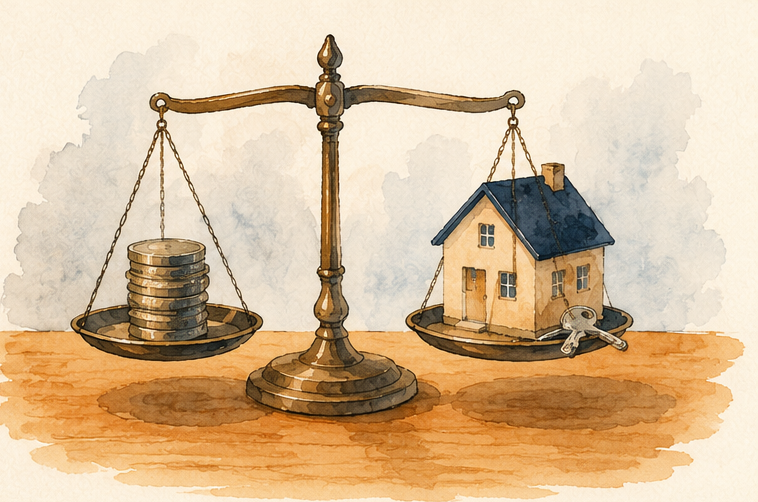
Here’s the part most people don’t know, and it can save you thousands. In most states your landlord has a duty to mitigate damages. In plain terms, that means they can’t just let your old place sit empty and mail you the bill. They have to make a reasonable effort to find a new renter.
Once a new tenant moves in, your responsibility for rent ends. So even if you leave with eight months still on the lease, you might owe only the one or two months it takes to fill the unit. A small number of states don’t require this, so it’s worth confirming, but in most of the country the duty to mitigate is a tenant’s best friend.
How to break a lease the smart way
Whatever your reason, a little care up front keeps the cost down and protects your record. Here’s the order I’d follow.
- Read your lease first. Look for the early termination clause, the notice period, and any rules about subletting.
- Talk to your landlord early. A calm, honest conversation works better than you’d expect. Give as much lead time as you can so they can start looking for a new tenant right away.
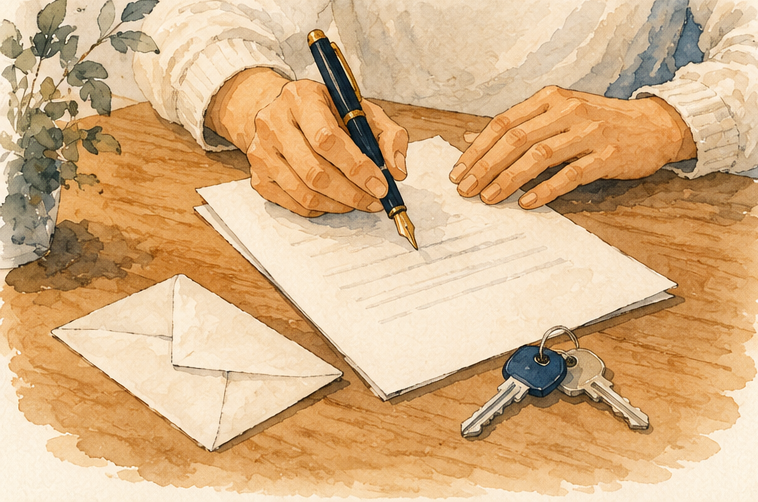
- Put your notice in writing. A verbal heads up isn’t enough. Send a dated letter or email that says when you’re leaving, and keep a copy for yourself.
- Offer a replacement. If your lease allows it, lining up a qualified new renter or subletter shrinks the landlord’s loss to almost nothing and gives you a strong reason to owe little or nothing.
- Get every agreement in writing. If your landlord agrees to let you out or settle for a set amount, put it on paper and have both of you sign. A friendly handshake won’t protect you later.
A real world example
Say Marcus signed a one year lease at 1,200 dollars a month and, six months in, landed a job three states away. He had no legal reason to break the lease, so he did the next best thing. He told his landlord in writing six weeks ahead, offered to help show the place, and kept paying until someone moved in.
His landlord found a new tenant after five weeks. Instead of owing six months of rent, roughly 7,200 dollars, Marcus owed a little over one month while the place sat empty. The duty to mitigate and a bit of goodwill did the rest.

Common mistakes people make
- Just moving out and going silent. Leaving with no notice is the fastest way to lose your security deposit and get sent to collections.
- Assuming you owe the entire rest of the lease. In most states you don’t, thanks to the duty to mitigate.
- Stopping rent over a needed repair without documenting the problem or giving your landlord a chance to fix it. Skipping those steps can turn a solid case into a weak one.
- Trusting a verbal deal. If it isn’t in writing, it’s hard to prove when it matters.
- Forgetting to check state law. The same move that’s fine in one state can cost you in another.
Key takeaways
- Breaking a lease early rarely means owing every remaining dollar.
- Military duty, domestic violence, and an unlivable home are the strongest legal grounds, though most rights vary by state.
- Your lease may already include a buyout clause that gives you a clean way out.
- The duty to mitigate usually limits what you owe to the time your unit sits empty.
- Give written notice, offer a replacement renter, and get every agreement in writing.
Frequently asked questions
Can I break a lease without any penalty?
Sometimes. Active military orders, domestic violence, and a home that isn’t livable can let you leave with little or no penalty. Outside those situations you’ll usually owe at least some rent, but often far less than the full lease once your landlord finds a new tenant.
How much does it cost to break a lease?
It depends on your lease and your state. If your lease has a buyout clause, it’s often two to three months of rent. If it doesn’t, you typically owe rent only until your landlord rents the place to someone else.
Does my landlord have to let me out of my lease?
Not automatically. Unless you have a legal reason, your landlord isn’t required to release you. But many will work something out, especially since they have to try to fill the unit anyway.
Will breaking a lease hurt my credit?
Breaking a lease by itself doesn’t show up on your credit report. What can hurt you is unpaid rent or fees that your landlord hands to a collection agency. Paying what you owe, or settling it in writing, keeps your score safe. If a collector does come after you, know that you have rights when a debt collector calls.
Can I break my lease because I bought a house?
Buying a home is exciting, but it usually isn’t a legal reason to break a lease. Your best moves are to use your lease’s early termination clause, negotiate with your landlord, or line up a new renter to take your place.
This article is general information, not legal advice, and reading it doesn’t create an attorney client relationship. Landlord and tenant laws vary quite a bit from state to state, and your own lease has its own terms. Before you make a move, check your state’s rules and talk with a licensed attorney in your state about your specific situation.