
The phone rings from a number you don’t recognize. Someone says you owe a few thousand dollars on an old account, they want a payment today, and they get short with you the moment you start asking questions. Maybe you don’t remember the debt at all. Maybe it’s yours, but the amount looks nothing like what you recall. Either way, you don’t have to take their word for it.
Two short letters can change the whole conversation. The first one makes the collector prove the debt is real and actually yours before they can keep pushing you to pay. The second one tells them to stop contacting you. Both are free, both come straight from a federal law called the Fair Debt Collection Practices Act, and you can copy them from this page and mail them this week.
Here’s how each letter works, when to send which one, and the small steps that make them stick.
What a debt validation letter actually does
A debt validation letter is a written request that forces a collector to back up their claim. Instead of you scrambling to prove you don’t owe something, the burden flips onto them to show that the debt is real, that the amount is right, and that they have the legal right to collect it.
The law sets this up for you. When a third party debt collector first contacts you, they have to send a written notice within five days that lists the amount of the debt, the name of the creditor you supposedly owe, and a statement that you have 30 days to dispute it. That notice is your opening.
Send a written dispute inside that window and the collector has to pause collection until they mail you verification of the debt. No calls, no new letters, no fresh credit reporting on that account until they respond. If they can’t or won’t verify it, they’re supposed to drop it. That single rule is why a debt validation letter template is one of the most useful things a regular person can keep on hand.
The 30 day window that decides everything
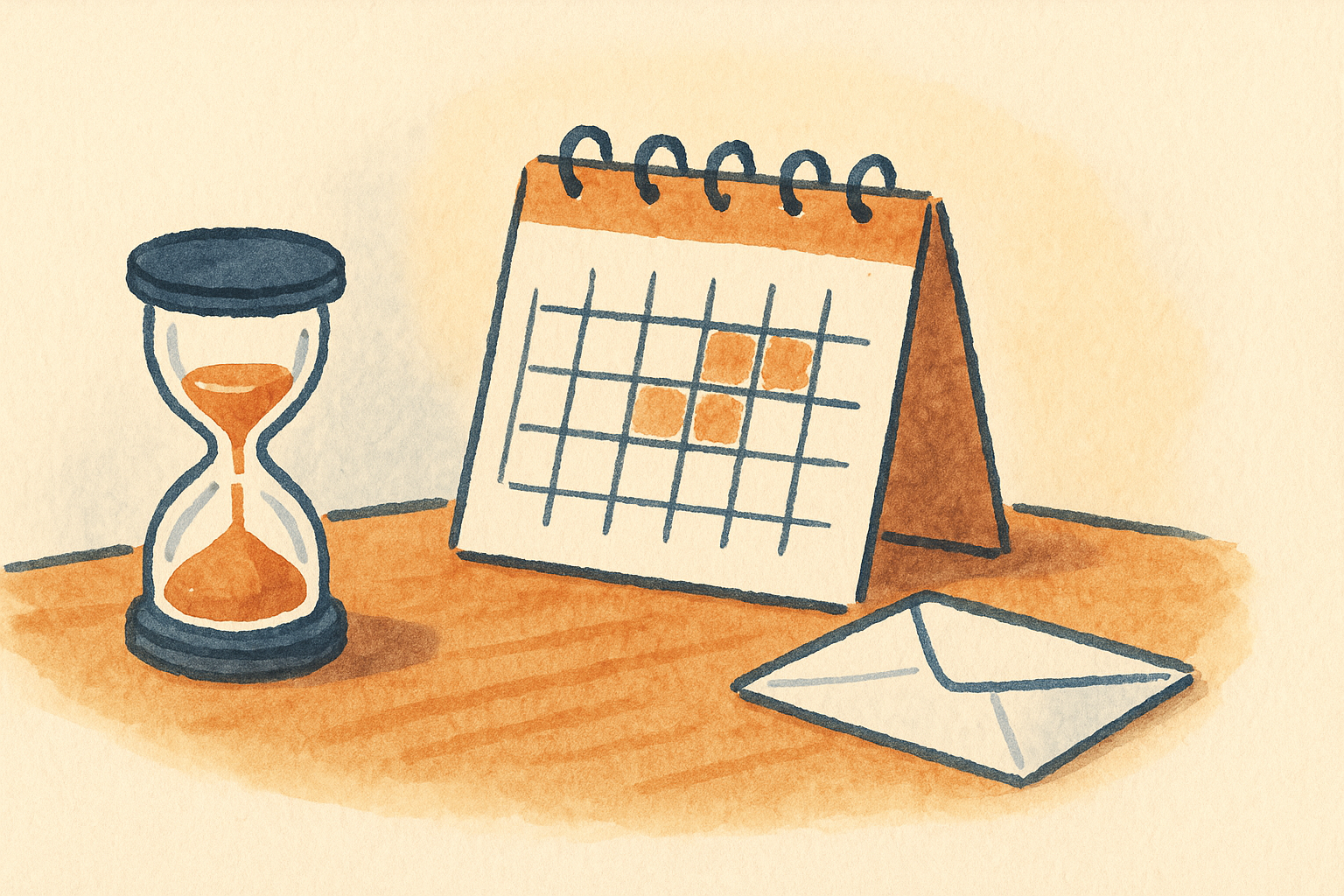
Timing is the part people get wrong most often. You have 30 days from the day you receive that first notice to send your dispute in writing. Do it inside those 30 days and you get the automatic pause on collection. That’s the strong version of your right.
Miss the window and you don’t lose everything, but the protection weakens. After 30 days a collector can treat the debt as valid and keep going. You can still ask for information later, and many collectors will still respond, but they’re no longer required to freeze everything the way they are during that first month.
One thing that trips people up: staying quiet during the 30 days is not an admission that you owe the money. A court can’t hold your silence against you. But silence also means no pause and no proof, so writing the letter is almost always the better move.
Copy this free debt validation letter template
Fill in the brackets with your own details. Keep it plain and short. You don’t need legal language, and you don’t have to explain your side of the story. You’re simply asking them to prove the debt.
[Your Full Name]
[Your Mailing Address]
[City, State ZIP]

[Date]

[Collector's Company Name]
[Collector's Mailing Address]
[City, State ZIP]

Re: Account number [account number, if you have it]

To whom it may concern:

I am writing about the debt referenced above. I do not believe I owe this debt, or I am not certain it is mine, and I am exercising my right under the Fair Debt Collection Practices Act to request validation of it.

Please do not contact me by phone about this account. Send all further information in writing to the address above.

In your response, please provide the following:

1. The amount you say I owe, with a breakdown of any fees and interest.
2. The name of the original creditor.
3. Proof that your company owns this debt or has the right to collect it.
4. A copy of the original signed agreement or a statement showing the debt is mine.

Until you provide this validation, please stop all collection activity on this account, including any reporting to the credit bureaus.

Thank you.

[Your signature]
[Your printed name]
That’s the whole thing. Notice it never admits the debt and never promises to pay. It just puts the ball in their court.
How to send it so it counts
A great letter mailed the wrong way can leave you with nothing to show for it. A few habits protect you:
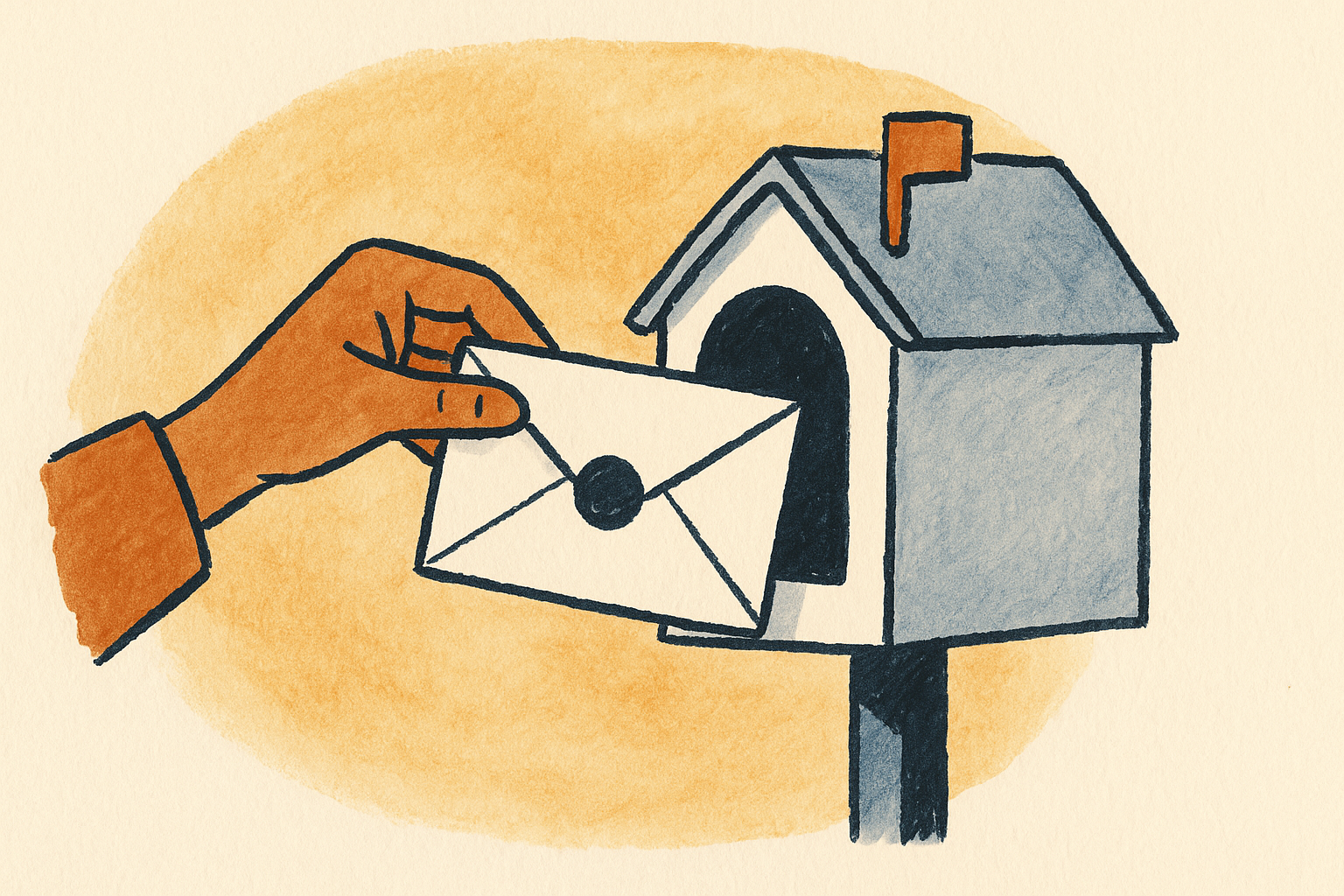
- Send it by certified mail with return receipt requested. That gives you a dated record of when you mailed it and when they signed for it, which is your proof the clock started.
- Mail it well inside the 30 days. Don’t wait until day 29 and hope the post office is quick.
- Keep a copy of the letter and the mailing receipt. Start a folder for this account and drop everything in it.
- Don’t sign anything they send that admits the debt, and don’t make a small “good faith” payment to prove you’re cooperating. In many states a payment can restart the clock on how long they can sue you.
If you want a fuller picture of what collectors can and can’t do once your letter is in their hands, our guide to your debt collector rights walks through the rest of the FDCPA.
The stop contact letter, and when to use it
The second letter does something different. A stop contact letter, sometimes called a cease communication letter, tells the collector to quit reaching out to you at all. Under the same federal law, once they get your written request they have to stop the calls, letters, emails, and texts.
There’s one narrow exception. After they receive your letter they’re allowed to contact you a single time to confirm they’ll stop, or to tell you about a specific step they plan to take, such as filing a lawsuit. Beyond that, the contact is supposed to end.
[Your Full Name]
[Your Mailing Address]
[City, State ZIP]

[Date]

[Collector's Company Name]
[Collector's Mailing Address]
[City, State ZIP]

Re: Account number [account number, if you have it]

To whom it may concern:

Under the Fair Debt Collection Practices Act, I am requesting that you stop all contact with me about the account referenced above. This includes phone calls, letters, emails, and text messages.

You may contact me one final time to confirm that you will stop, or to notify me of a specific action you intend to take, such as filing a lawsuit. Otherwise, do not contact me again.

I am not stating whether I owe this debt. I am only asking you to stop contacting me, which is my right under federal law.

Thank you.

[Your signature]
[Your printed name]
Send this one by certified mail too, and keep your copy. The proof of delivery matters just as much here.
What a stop contact letter can and can’t do
This is where people get burned, so read it twice. A stop contact letter does not erase the debt. It only shuts off the phone calls and mail. The money you may owe is still there, and the collector keeps every other legal tool.
That includes suing you. When you cut off contact, some collectors respond by going straight to court, because talking to you is no longer an option. If you don’t watch your mail after that, you can miss a court date and hand them a default judgment. So a stop contact letter is a good fit when the calls have become harassment or you already know the debt isn’t collectible, but it’s a blunt tool.
For most people the smarter first move is the validation letter. Make them prove the debt before you decide whether to shut the door. If the debt turns out to be old, our overview of how wage garnishment works shows what’s actually at stake if a collector wins in court.
Common mistakes people make
- Disputing over the phone. A verbal dispute doesn’t trigger the same written protections. Put it in a letter, every time.
- Waiting past the 30 days and losing the automatic pause on collection.
- Skipping certified mail, then having no proof the collector ever got the letter.
- Making a partial payment to seem reasonable, which can reset the time limit a collector has to sue you.
- Sending the letter to the original creditor instead of the collector. The FDCPA and these letters aim at third party collectors, not usually the company you first borrowed from.
- Admitting the debt in the letter. Keep it neutral. You’re requesting proof, not confessing.
Key takeaways
A validation letter makes a collector prove the debt is yours before they keep collecting, and sending it inside 30 days forces them to pause. A stop contact letter ends the calls and mail but leaves the debt and a possible lawsuit in place. Send either one by certified mail, keep copies, and never admit the debt or make a payment just to look cooperative. Used at the right moment, these two free letters put the law on your side.
Frequently asked questions
Does sending a debt validation letter hurt my credit?
No. Asking a collector to verify a debt is not a negative mark and it isn’t reported to the credit bureaus. If anything, disputing inside the 30 day window can pause new reporting on that account until the collector responds.
What happens if the collector can’t validate the debt?
If they can’t verify it, they’re supposed to stop collecting and stop reporting it. Some collectors simply give up and close the file. If they keep collecting without validating, that can be a violation of federal law, and a court can award you up to $1,000 plus your costs.
Can I still send a validation letter after 30 days?
Yes, and it’s still worth doing. You just lose the automatic pause on collection. Many collectors will respond anyway, and their answer can tell you whether the debt is even worth worrying about.
Will a stop contact letter make the debt disappear?
No. It only stops the collector from contacting you. You may still owe the money, and they can still sue or use other legal steps to collect. Watch your mail closely after you send one.
Do these letters work on my original bank or lender?
Mostly no. The Fair Debt Collection Practices Act covers third party collectors, not usually the original creditor you borrowed from. Your state may have its own rules for original creditors, so check your state attorney general’s site if that’s your situation. You can read the federal basics on the Consumer Financial Protection Bureau’s page.
A quick word before you send anything
This article is general information, not legal advice, and reading it doesn’t create an attorney client relationship. Debt collection laws vary by state, and the facts of your situation matter. If a collector has sued you, or you’re facing a large or complicated debt, talk with a licensed attorney in your state or your local legal aid office before you act.